

Understand everything about safety standards, their importance and how to engage and test your team with Play2Learn.

Occupational Safety Standards in Brazil
Occupational safety in Brazil is governed by a set of standards and regulations that aim to protect the health and integrity of workers. These standards are essential to reduce the risk of accidents and ensure safe conditions in different sectors. Despite the existence of these guidelines, data on work accidents show a worrying situation.
Recent Statistics
- Reported Accidents: In 2020, 446,881 work accidents were recorded; in 2021, this number rose to 612,920, an increase of 37%. Check out more about this worrying data in CNJ.
- Deaths: The number of deaths in work accidents also increased, from 1,866 in 2020 to 2,538 in 2021, representing an increase of 36% (source: CNJ).
- Total Deaths (2016-2022): Between 2016 and 2022, around 15,900 people died in work-related accidents, with a significant increase in fatalities over the years. Learn more at Brazil Agency.
These data reinforce the need for a strict compliance with Regulatory Standards (NRs) to prevent new accidents and save lives.
What is the purpose of safety standards?
The main objective of safety standards is prevent accidents and occupational diseases, ensuring that all activities carried out in a work environment are safe for workers. In addition, these standards aim to promote a healthy environment, reducing costs related to accidents, absences and increasing team productivity.
What are the safety standards?
Regulatory Standards (NRs) are a set of rules issued by the Ministry of Labor and Employment to ensure the safety and health of workers in various sectors and activities. There are currently 37 NRs in force, covering everything from the use of protective equipment to specific standards for industries such as construction and mining. See below a table with all the NRs and a brief description of each one:
- NR-1 – General Provisions and Occupational Risk Management: Establishes general guidelines for occupational health and safety and occupational risk management.
- NR-2 – Prior Inspection (Revoked): Previously repealed rule required prior inspections.
- NR-3 – Embargo and Interdiction: Defines procedures for embargoes and interdictions in situations of serious risk.
- NR-4 – Specialized Services in Occupational Safety and Medicine: It requires specialized teams to promote worker health and safety.
- NR-5 – Internal Accident and Harassment Prevention Committee – CIPA: Defines the formation and performance of the CIPA for accident prevention.
- NR-6 – Personal Protective Equipment – PPE: Establishes mandatory PPE for protection in risk conditions.
- NR-7 – Occupational Health Medical Control Program: Defines the control of workers' occupational health.
- NR-8 – Buildings: Defines minimum safety conditions for constructions and workplaces.
- NR-9 – Assessment and Control of Occupational Exposures: Provides for the evaluation and control of physical, chemical and biological agents.
- NR-10 – Safety in Electrical Installations and Services: Establishes standards for electrical safety.
- NR-11 – Transportation, Handling and Storage of Materials: Standards for safety in the transportation and movement of materials.
- NR-12 – Occupational Safety in Machinery and Equipment: Establishes measures for safety in the use of machines.
- NR-13 – Boilers and Pressure Vessels: Safety requirements for the use of boilers and pressure vessels.
- NR-14 – Ovens: Defines safety standards for the use of industrial ovens.
- NR-15 – Unhealthy Activities and Operations: Requirements for activities in unhealthy environments.
- NR-16 – Hazardous Activities and Operations: Establishes criteria for hazardous activities.
- NR-17 – Ergonomics: Defines ergonomic conditions for the work environment.
- NR-18 – Construction Industry: Specific safety standards for civil construction.
- NR-19 – Explosives: Rules for safety in handling and storage of explosives.
- NR-20 – Combustible and Flammable Liquids: Establishes guidelines for safety with flammable liquids.
- NR-21 – Open Air Work: Establishes protective measures for outdoor work.
- NR-22 – Occupational Health and Safety in Mining: Specific rules for safety in the mining sector.
- NR-23 – Fire Protection: Standards for preventing and fighting fires.
- NR-24 – Sanitary and Comfort Conditions in the Workplace: Minimum requirements for hygiene and comfort at work.
- NR-25 – Industrial Waste: Guidelines for industrial waste management.
- NR-26 – Safety Signs: Provides guidance on signage for workplace safety.
- NR-27 – Professional Registration of Occupational Safety Technician (Revoked): Previously revoked rule required professional registration for occupational safety technicians.
- NR-28 – Supervision and Penalties: Establishes criteria for monitoring and applying penalties related to NRs.
- NR-29 – Safety and Health at Work in Ports: Specific safety requirements for activities in port areas.
- NR-30 – Safety and Health at Work in Waterways: Safety standards for workers on vessels and in aquatic environments.
- NR-31 – Occupational Health and Safety in Agriculture, Livestock, Forestry, Logging and Aquaculture: Establishes protective measures for rural and agricultural workers.
- NR-32 – Occupational Health and Safety in Healthcare Establishments: Defines measures to ensure safety in hospital and healthcare environments.
- NR-33 – Health and Safety at Work in Confined Spaces: Safety standards for activities in confined spaces.
- NR-34 – Working Conditions and Environment in the Shipbuilding and Repair Industry: Specific measures for safety in shipyards and the naval industry.
- NR-35 – Working at Height: Establishes safety requirements for work carried out at height.
- NR-36 – Occupational Health and Safety in Meat and Meat Products Slaughtering and Processing Companies: Standards for the protection of workers in cold storage plants and meat processing companies.
- NR-37 – Safety and Health on Oil Platforms: Specific safety requirements for oil platforms.
- NR-38 – Occupational Health and Safety in Urban Cleaning and Solid Waste Management Activities: Defines specific protection and safety measures for workers involved in urban cleaning and solid waste management.

In addition to the NRs, other important regulations include the Ordinance 319, which deals with the use of PPE, and the Law 8.213, which defines the obligations of companies in the event of work accidents.
Are safety standards mandatory?
Yes, safety standards are mandatory for all companies that have employees governed by the CLT. Compliance with these rules is monitored by the Ministry of Labor and, in case of non-compliance, companies may face penalties ranging from fines to closures, depending on the severity.
How do safety standards apply in a company?
The application of safety standards involves the creation and implementation of occupational health and safety programs, like the PPRA (Environmental Risk Prevention Program) and the PCMSO (Occupational Health Medical Control Program). In addition, it is necessary:
- Conduct regular training with the team.
- Provide and ensure the use of Personal Protective Equipment (PPE).
- Continuously monitor working environment conditions and make adjustments when necessary.
Challenges and Problems Identified
Effective implementation of safety standards faces significant challenges:
- Lack of Conformity: A high rate of non-compliance is found during work inspections, indicating that many companies still have difficulty implementing the NRs correctly.
- Precarious Work: Outsourced workers often face riskier conditions due to a lack of adequate occupational health and safety policies.
- Need for Training: Occupational safety professionals often face difficulties in correctly identifying and assessing risks, requiring ongoing training.
How to engage the team with safety standards?
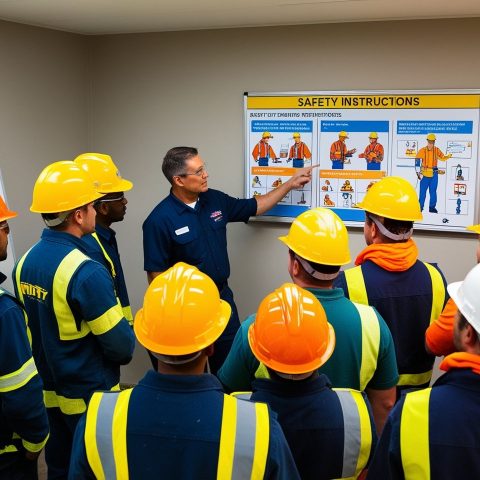
Engaging staff with safety standards is a challenge, but Play2Learn facilitates this process with a gamified approach. Our interactive game on safety standards turns learning into an engaging and practical experience. Employees participate in simulations that reproduce real risk situations, allowing them to practice and learn best safety practices in a dynamic and fun way.
With Play2Learn, your team:
- Learn by playing: The modules are designed to teach and test knowledge in a fun and interactive way.
- Receive feedback in real time: Players are evaluated during the process, receiving guidance that reinforces learning.
- Earn certifications: Upon completing the modules, employees receive certifications that prove their knowledge, increasing motivation and engagement.


What are the penalties for non-compliance with safety regulations?
Failure to comply with safety regulations may result in fines, bans and even legal proceedings for the company. Furthermore, in more serious cases, such as accidents that cause injuries or deaths, those responsible for the company may face criminal liability. Staying compliant is essential to avoid financial loss and damage to your business reputation.
How to test your team's knowledge of safety standards?
THE Play2Learn offers a practical and efficient way to test your team's knowledge of safety standards. Our games are designed to assess employees' understanding in simulated situations, allowing companies to identify knowledge gaps and reinforce training where necessary.
With Play2Learn you can:
- Apply simulated tests which assess employees’ knowledge of specific standards such as NR 6 (PPE) and NR 35 (Work at Height).
- Generate detailed reports that show the individual and collective performance of the team, facilitating decision-making for new training.
- Monitor progress over time, ensuring that everyone is up to date and prepared to follow the rules.
WHY CHOOSE PLAY2LEARN
How about testing other knowledge of your team?
Turn Boring Training into Engaging Experiences that Motivate Your Team.



Increased Engagement
Say goodbye to boring training! With Play2Learn, your employees learn while having fun, significantly boosting interest and participation.
Effective Learning
Interactive games enhance knowledge retention, ensuring your team truly absorbs and applies what they've learned in their daily routines.
Quick and Easy
Our platform allows you to transform training content into games quickly and easily, with no advanced technical knowledge required
Complete Customization
Tailor the games to your company's specific context and needs, making learning more relevant and impactful
Detailed Metrics
Track employee performance with comprehensive reports, identifying areas for improvement and celebrating achievements.
 EN
EN  PT_BR
PT_BR