

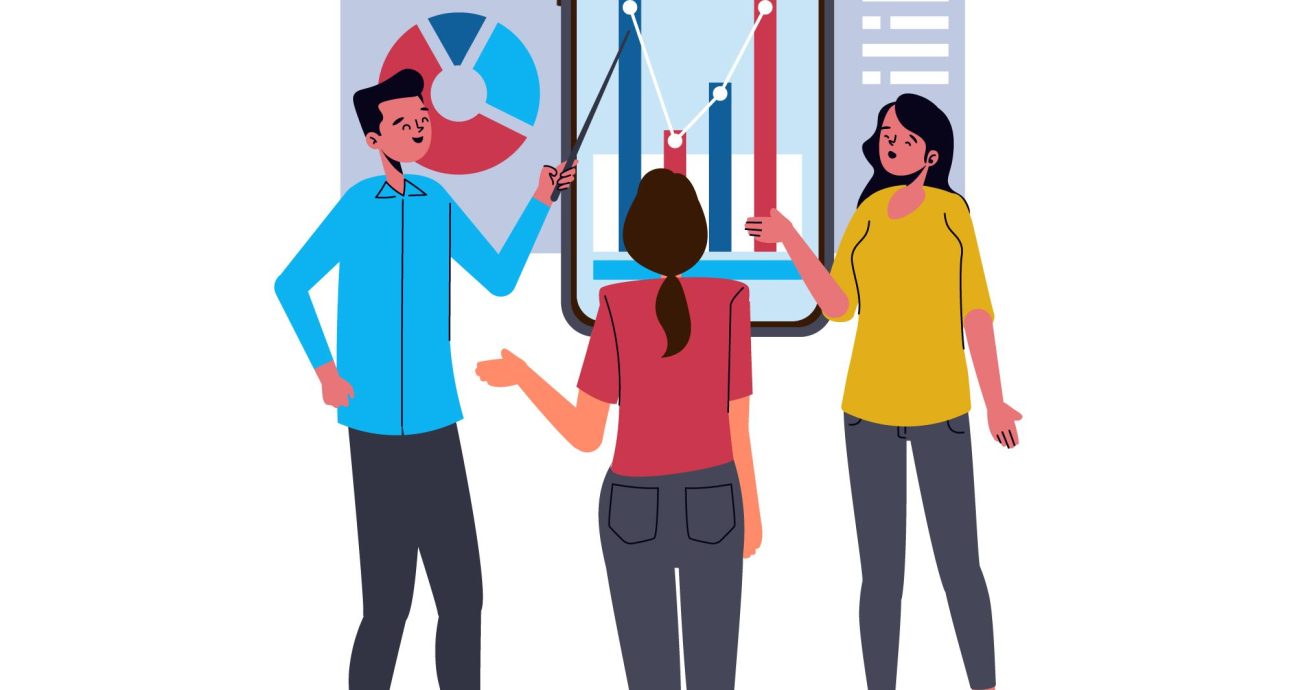
THE gamification Gamified training in customer service is an innovative strategy. It transforms training into a fun and interactive experience. This increases employee engagement and effectiveness. However, measuring the impact of these trainings is crucial. You need to ensure that they are achieving the desired goals. In this article, we will explore effective strategies for measuring the impact of gamified training.
Key Insights on Measuring Results
- Defining Clear Metrics: To measure the impact of gamified training, it is essential to define clear metrics from the outset. This can include indicators such as increased course completion rates and improved knowledge retention.
- Use of Analysis Tools: Tools like interactive dashboards can provide real-time data, allowing for continuous adjustments to training strategies.
- Continuous Feedback: Collecting feedback from employees is crucial. This helps you understand whether training is meeting their needs.
How to Measure the Impact of Gamified Training
Impact measurement involves both quantitative and qualitative methods. Some of the most effective methods include:
- Research and Interviews: Conducting employee and customer surveys can assess satisfaction and training effectiveness.
- Tests and Observations: Using tests helps to assess the practical application of the skills learned.
- Performance Reports: Analyzing reports can identify improvements in issue resolution rates.
Benefits of Impact Measurement
- Strategic Adjustments: Measuring impact allows companies to adjust their strategies. This continually improves employee performance.
- Return on Investment (ROI): Measuring impact allows you to calculate the ROI of training. This way, companies ensure that investments generate tangible results.
- Employee Engagement: When employees see the positive impact of their efforts, they feel more motivated. This can lead to further improvements in performance.
Relevant Data on Results Measurement
Studies show that companies that adopt gamification see significant improvements in productivity. In addition, customer satisfaction can increase by up to 20%. Gamification can also improve employee productivity by up to 30%. This data demonstrates the effectiveness of this approach.
Conclusion
Gamification in customer service is a powerful tool that improves employee performance and customer satisfaction. Measuring the impact of these trainings is crucial to ensuring that they are achieving the desired goals. With the right strategies, companies can maximize the benefits of gamification in their training processes. To experience first-hand how gamification can transform your learning, play our interactive game! Play now.


 EN
EN  PT_BR
PT_BR